
Which Car Battery Do I Need?
If you are searching which car battery do I need or comparing car batteries, the safest starting point is the vehicle, not the battery number. A correct replacement needs to fit physically, connect correctly, provide suitable starting performance and use the battery technology required by the vehicle.
The main information is usually the vehicle make, model, year and engine size. Start-stop technology, exact model variant, current battery label and manufacturer-specific requirements can then help narrow down the correct option.
Which Car Battery Do I Need? Start With Make, Model, Year and Engine
Two vehicles with the same model name can use different batteries because of engine size, year, trim level, start-stop system or electrical equipment. The more accurate the vehicle information, the easier it is to narrow down suitable car batteries and the less likely it is that a quote is based on the wrong battery specification.
If the year or engine is uncertain, the vehicle registration information, handbook or a clear photo of the current battery label can sometimes help. Do not guess if the information can be checked.
Which Car Battery Do I Need? Check Size and Dimensions
Car battery size matters because the battery must fit securely in the tray or enclosure, allow the hold-down to work correctly and maintain safe clearance around terminals and nearby components. A battery that is too tall, too long or too narrow can create fitting and safety problems.
Physical fit is necessary but not sufficient when choosing car batteries. Two batteries with nearly identical dimensions can have different capacity, cold-cranking performance or technology.
Which Car Battery Do I Need? Check Terminal Layout and Polarity
The positive and negative terminals must be in the correct positions for the vehicle cables to reach safely without strain. Terminal type, orientation and polarity should therefore be confirmed before fitment.
Forcing cables to reach an incorrectly oriented battery can damage connections and create unsafe installation. This is another reason why selecting a battery by appearance alone is unreliable.
What Does CCA Mean?
CCA means cold-cranking amps. It is a measure associated with the battery’s ability to provide high starting current under specified conditions. The required value depends on the vehicle and should not be considered in isolation.
A replacement should meet the relevant vehicle requirement together with battery technology, capacity, physical size and terminal configuration. Simply choosing the highest CCA number available does not automatically make a battery suitable.
What Does Ah Mean?
Ah means ampere-hours and relates to battery capacity. Capacity affects how much electrical energy the battery can store and deliver over time, but the correct Ah rating should follow the vehicle specification.
Installing a significantly different capacity without considering the charging system, battery technology and vehicle design can be inappropriate. Vehicle-specific data is more useful than choosing by one number.
Which Car Battery Do I Need: Standard, EFB or AGM?
Battery technology can be just as important as size when comparing car batteries. Conventional vehicles may use standard flooded batteries, while selected start-stop vehicles use EFB or AGM. Higher-demand vehicles can also require AGM technology for reasons beyond simple engine starting.
Use the AGM, EFB and start-stop car battery guide for a detailed explanation. If the existing battery is AGM or EFB, do not downgrade without confirming that the vehicle specification allows it.
Does the Existing Battery Number Prove What I Need?
The current battery label is useful information, but it is not absolute proof. A previous owner or workshop may have installed a battery that was available rather than ideal. The replacement should be checked against the vehicle requirement whenever possible.
A clear battery photo can still help confirm case style, terminal layout and the technology currently fitted, especially when combined with accurate vehicle details.
Which Car Battery Do I Need for a Start-Stop Vehicle?
Tell us if the vehicle has automatic engine stop-start. Start-stop systems place different cycling demands on the battery and may use EFB or AGM technology. Some vehicles also monitor battery condition and may require battery registration or coding after replacement.
Where coding or advanced diagnostic procedures are required outside current capability, that limitation should be explained before the battery is supplied or fitted.
Which Car Battery Is Cheapest?
The cheapest car battery is not automatically the best value among suitable car batteries if it is not suitable for the vehicle. A meaningful quote compares compatible batteries and includes the actual specification, warranty and service being provided.
Visit the car battery prices guide to understand why vehicle-specific pricing is more useful than publishing one price for every car.
Mobile Car Battery Fitment in Johannesburg
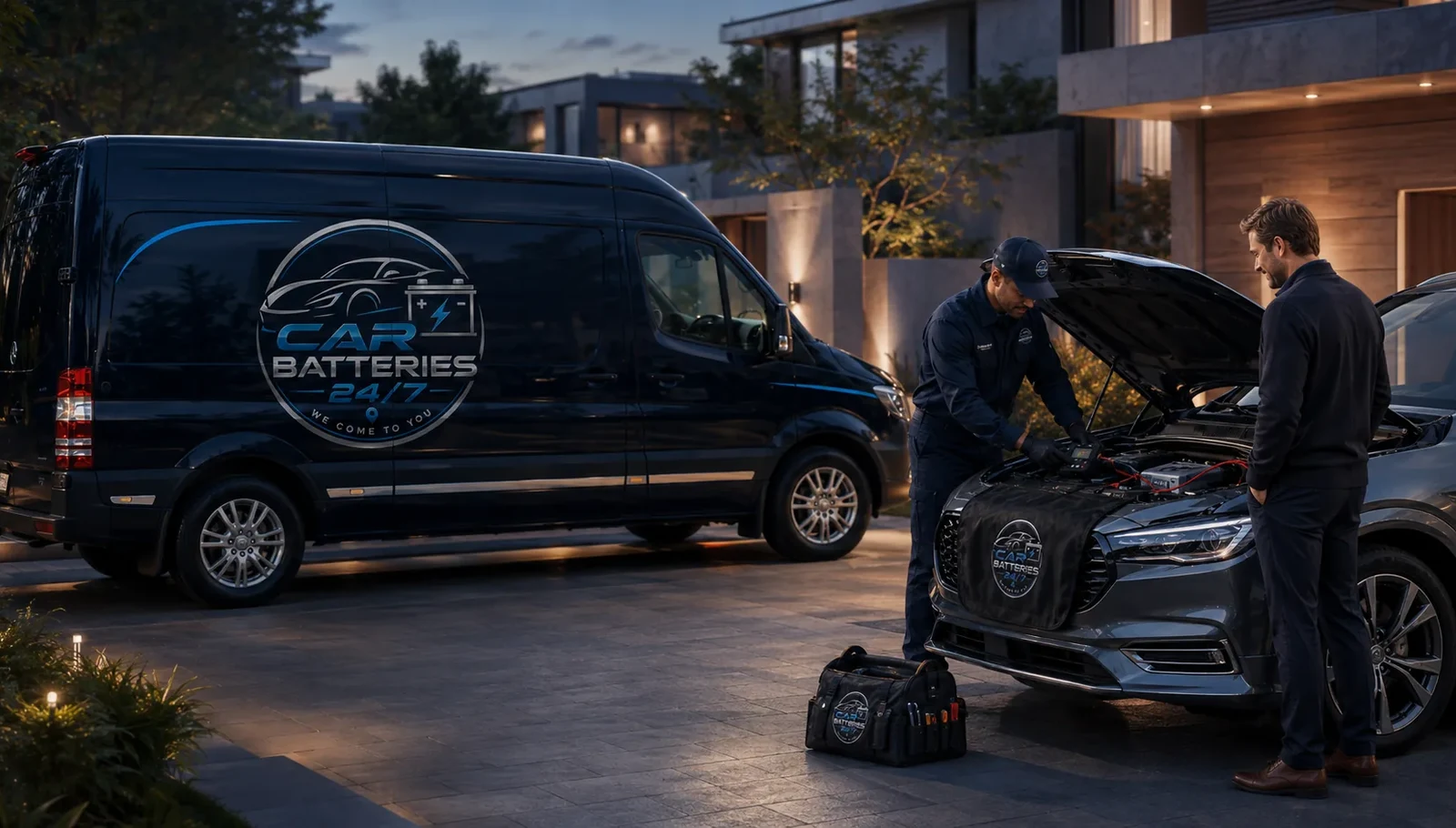
Once the correct car battery is identified from suitable car batteries and suitable stock is confirmed, mobile delivery and professional fitment can be arranged at a suitable home, workplace or other accessible location within the current operating area.
The service-area reference is centred on Honeydew and includes many suburbs across Roodepoort, Randburg and surrounding Johannesburg areas. Use the service-area checker for a location guide.
Which Car Battery Do I Need? What to Send for a Quote
Send the vehicle make, model, year and engine size where known; whether it has start-stop; your suburb or live location; and any information visible on the current battery label. If the car will not start, also describe whether it clicks, cranks slowly, shows lights or has recently been jump-started.
For broader information about testing, replacement, fitment, charging checks and car batteries, see the Car Battery Help & Advice Guide or the mobile car battery services page.
Which Car Battery Do I Need? Start With the Vehicle
If you are asking which car battery do I need, the most reliable starting point is the vehicle identity. Make, model, model year and engine size help narrow the likely battery group. Start-stop equipment, battery-management features and the current battery label can then provide additional confirmation. Choosing from appearance alone is not reliable because different batteries can share similar case dimensions.
The answer to which car battery do I need may also depend on the exact vehicle variant. Two cars with the same model name can use different batteries because of engine, equipment or market specification. Where vehicle data is uncertain, the battery should be physically and electrically confirmed before fitment.
Which Car Battery Do I Need for Start-Stop?
Start-stop vehicles often require EFB or AGM technology, but not every start-stop vehicle uses the same battery. If the current battery is AGM or EFB, do not downgrade technology purely to reduce the quote. Battery capacity, cold-cranking performance, dimensions, terminal layout and any registration requirement should still be checked.
Our AGM, EFB and start-stop battery guide explains the main battery technologies, while the BMS and battery-registration guide explains why some modern vehicles need an additional procedure after replacement.
Independent Battery-Technology Reference
For technical background on why AGM and EFB applications differ, see the VARTA AGM and EFB guide. Vehicle-specific data should still be used for the actual replacement decision.
When you contact Car Batteries 24/7, send the information you have rather than guessing. If the question is still which car battery do I need, we can use the vehicle details to narrow the likely requirement, check suitable stock and provide a current quote subject to final compatibility.
Which Car Battery Do I Need? Check the Battery Technology
Which car battery do I need is not answered by size alone. A vehicle may require a conventional flooded battery, EFB or AGM technology. Start-stop vehicles and vehicles with higher electrical demands are common reasons to verify the technology carefully before buying a replacement.
If the current battery is marked AGM or EFB, do not assume that a cheaper conventional battery is a suitable substitute. Confirm the vehicle specification first.
Which Car Battery Do I Need? Check Terminal Position and Hold-Down
When asking which car battery do I need, terminal position and polarity matter because the vehicle cables must reach safely without being stretched or crossed. The battery also needs to work with the vehicle’s hold-down system so it is secured correctly after fitment.
Case length, width and height are equally important, particularly where the battery sits under a cover, seat or in a restricted compartment.
Which Car Battery Do I Need? Understand CCA and Ah
CCA and Ah are useful parts of the battery specification. CCA relates to starting-current capability under a defined test standard, while Ah relates to capacity. The answer to which car battery do I need should consider these values together with technology and size rather than treating one number as the entire specification.
Vehicle-specific battery data is preferable to simply choosing the highest number on the shelf.
Which Car Battery Do I Need for a Vehicle With BMS?
Some vehicles monitor the battery and manage charging based on stored information. In those cases, which car battery do I need may also involve whether the replacement must be registered or configured after fitment. The requirement varies by vehicle and should be checked before the job is confirmed.
See our battery registration and BMS guide for the difference between battery selection and vehicle-specific post-replacement procedures.
Which Car Battery Do I Need for a Mobile Replacement?
Send the make, model, year, engine, start-stop status if known and location. If safe, include a clear battery-label photo. This information helps answer which car battery do I need, check suitable stock and provide a current quote before a technician travels.
Use the car battery prices guide for quoting and the service-area checker for location coverage.
Which Car Battery Do I Need? Avoid Guessing From a Photo Alone
A photograph can help identify the current battery, but which car battery do I need should still be answered from the vehicle requirements. A previous owner or workshop may have fitted a battery that is physically compatible but not the ideal specification. Vehicle data and the existing label should be checked together.
When there is uncertainty, final physical confirmation before installation is preferable to forcing a battery selected from incomplete information.
Which Car Battery Do I Need? Get a Vehicle-Specific Quote
Once the likely specification is identified, the next question is availability and price. Send the exact vehicle and location details so suitable options can be checked. The car battery prices guide explains why a vehicle-specific quote is more useful than one generic battery price.
For mobile assistance, also confirm the location through the service-area checker.
Which Car Battery Do I Need When the Existing Label Is Unclear?
If the current label is faded, hidden or difficult to read, do not rely on guesswork. The vehicle registration details, make, model, year, engine and start-stop status can narrow the likely specification, while a safe inspection of the fitted battery can confirm physical details where necessary. The question which car battery do I need is best answered by matching several pieces of information rather than one number.
Some model ranges use more than one battery specification depending on engine, trim or electrical equipment. When vehicle data produces more than one possible match, final confirmation before fitment is sensible. This protects the customer from paying for a battery that is physically similar but unsuitable in capacity, cranking performance, technology or terminal layout.
Frequently Asked Questions
What information do you need to identify a car battery?
The vehicle make, model, year and engine size are the most useful starting points. Start-stop information and details from the existing battery can help where vehicle variants differ.
Does car battery size matter?
Yes. The battery must fit the tray or housing, secure correctly and have suitable terminal positions and clearance. A battery that is physically too large, too small or incorrectly oriented can be unsuitable.
What does CCA mean on a car battery?
CCA means cold-cranking amps and is one measure of starting capability. It is one part of the battery specification and should be considered together with technology, capacity, size and vehicle requirements.
What does Ah mean on a car battery?
Ah means ampere-hours and is a measure related to battery capacity. The appropriate capacity should follow the vehicle requirement rather than being chosen independently.
Can I choose a battery just because the terminals are in the same place?
No. Matching terminal layout is important, but technology, capacity, cranking performance, physical dimensions and manufacturer requirements can also matter.
Can you quote if I do not know the battery number?
Yes. Send the vehicle make, model, year and engine size where known, plus your location. Vehicle information is usually more useful than guessing a battery number.